Elevating daily routines with bathroom accessories
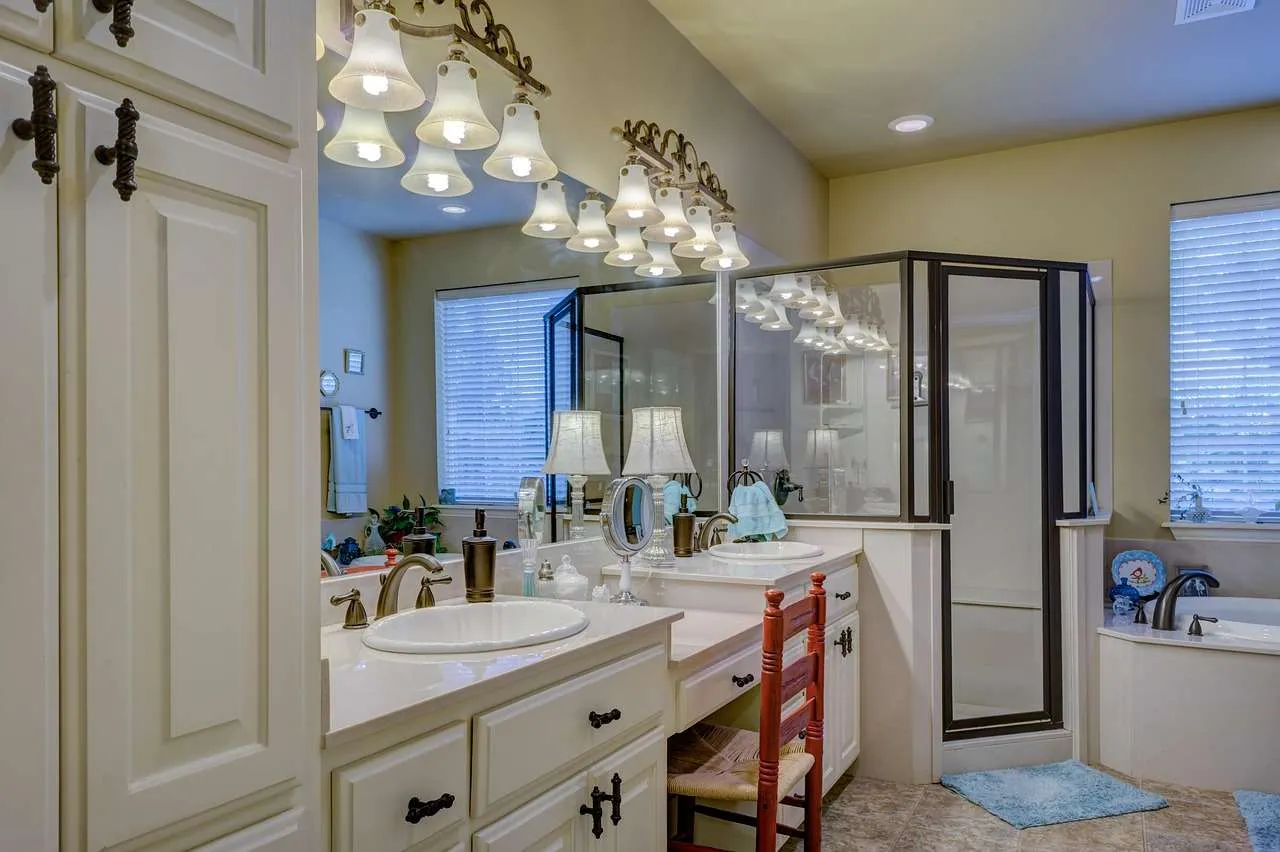
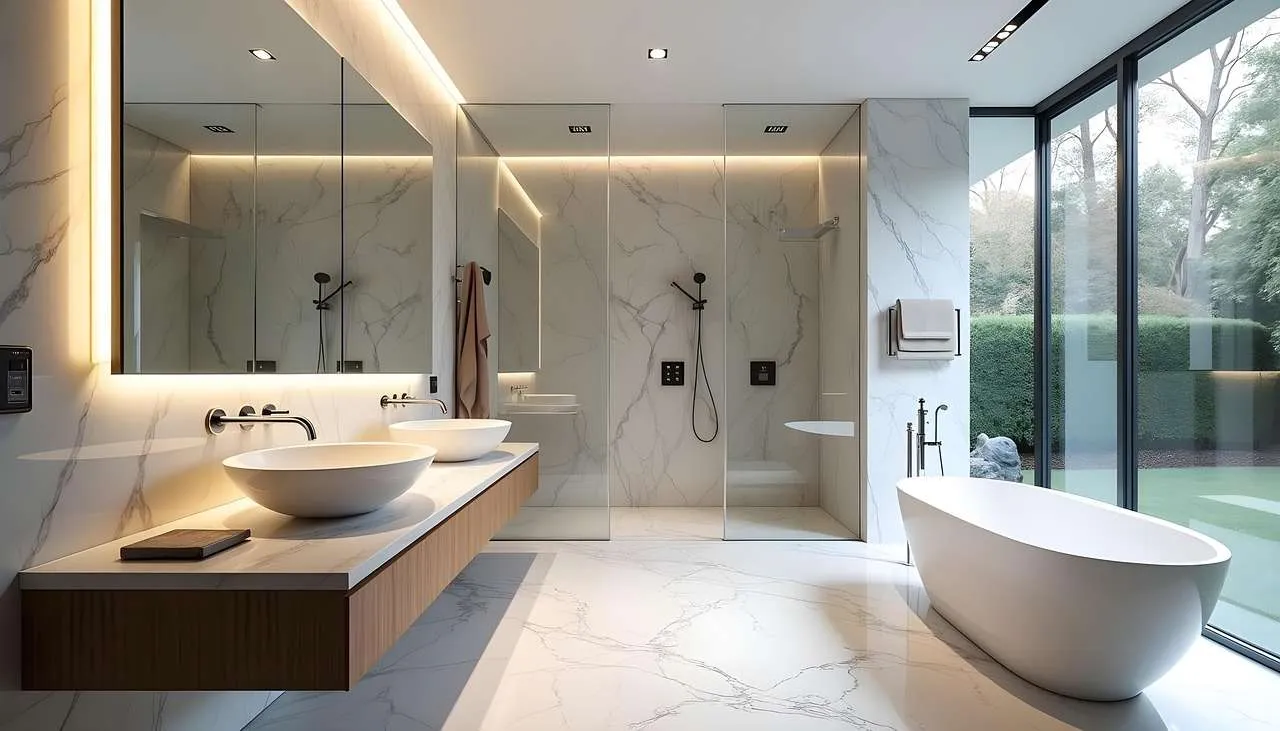
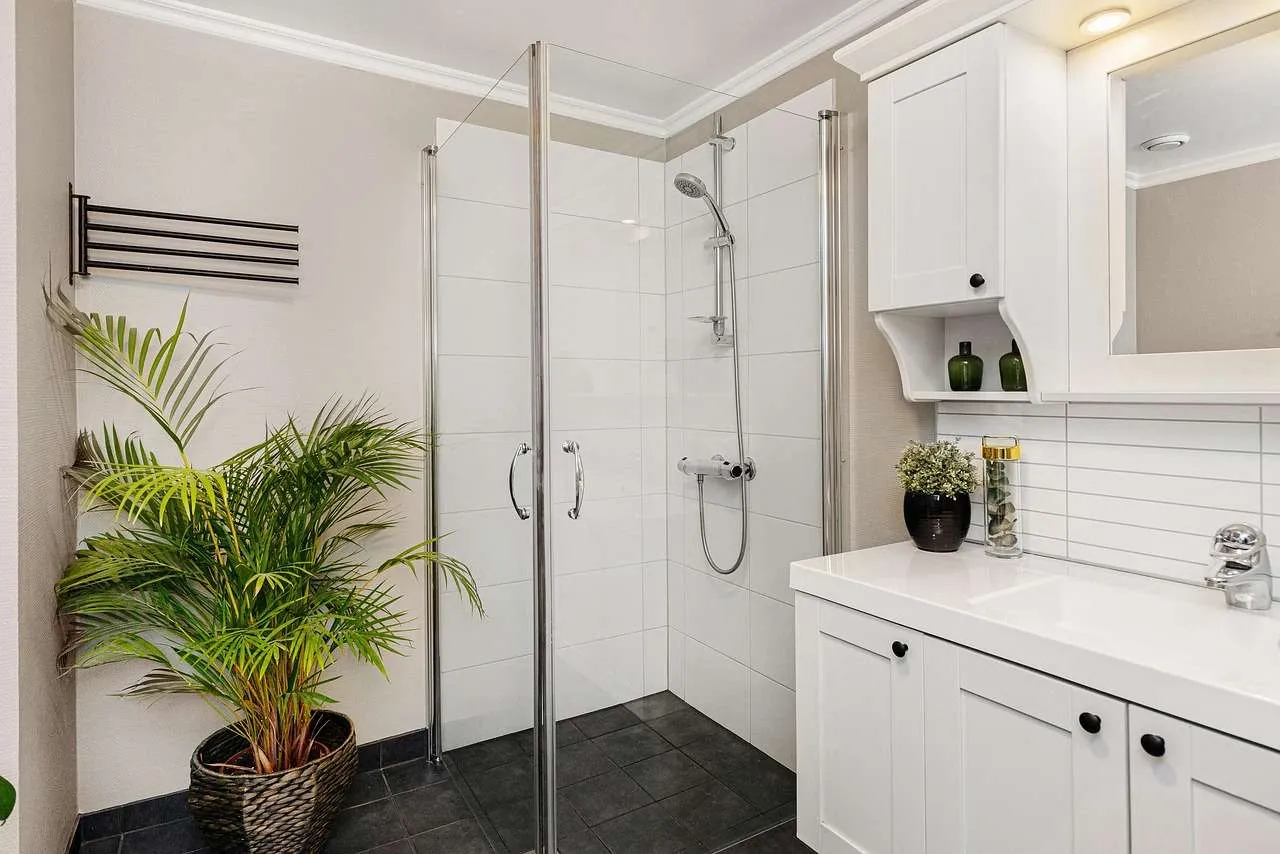
Bathroom accessories are more than mere add-ons; they organize essentials, protect surfaces, and set the tone of the space. A well-chosen collection combines durability with design, making everyday tasks smoother and more enjoyable. From moisture-resistant storage to decorative accents, the right pieces support cleanliness, efficiency, and a cohesive look.
As an experienced homeowner or designer seeking practical guidance, you deserve advice rooted in durability, safety, and style. This guide covers key categories, materials, installation tips, and maintenance strategies to help you select bathroom accessories that endure and impress.
Key categories of bathroom accessories
Towel storage and rails
Towel bars, rings, and hooks keep linens within reach while minimizing clutter. When choosing, consider wall space, the number of users, and whether you prefer wall-mounted or freestanding options. Look for corrosion-resistant finishes such as brushed nickel, chrome, or matte black to maintain a polished appearance even in humid environments.
Shower and bath organizers
Shower caddies, corner shelves, and shampoo dispensers help keep bottles off the tub edge and reduce water pooling. Choose rustproof materials for longevity and opt for transparent or recessed designs to avoid visual clutter in smaller bathrooms.
Mirrors and lighting accessories
Mirrors with anti-fog features and integrated lighting improve clarity for daily routines. Complementary lighting accessories such as vanity strips and sconces should provide even illumination and resist moisture exposure. Finishes that match other hardware create a cohesive, high-end feel.
Toilet paper holders and waste management
Consider placement, ease of use, and hygiene when selecting holders and small waste bins. Closed or semi-closed designs reduce odor dispersion, while durable materials resist staining and scuffs from cleaning products.
Decorative accents and bath mats
Decorative trays, soap dispensers, toothbrush holders, and bath mats add texture and personality. Choose materials that coordinate with your overall palette and maintain grip when wet to prevent slips.
Materials and finishes to consider
Material choice impacts durability, maintenance, and the bathroom’s aesthetic. Stainless steel offers strength and corrosion resistance, while ceramic accents provide a classic look at a friendly price point. Plastic is budget-friendly and light, though less durable over time. Glass elements deliver a modern vibe but require mindful placement to prevent breakage. Finish options such as chrome, brushed nickel, matte black, and bronze influence both longevity and style. For bathrooms with high humidity or coastal climates, prioritize rust-resistant finishes and easy-to-clean surfaces.
Choosing the right pieces
Start by auditing your current setup. List essential categories, measure available wall space or counter areas, and decide between coordinated sets or a curated mix of textures. A cohesive style helps with resale value and reduces visual noise, while a mix of finishes can work if balanced thoughtfully. When budgets matter, invest in durable, high-use pieces first, such as towel bars, mirrors, and cabinets, and soften the look with decorative accents that can be swapped easily.
Quality matters for EEAT: look for reputable brands, documented warranties, and clear installation instructions. Ensure products are designed for bathroom use, with moisture resistance, slip resistance on mats, and non-slip feet on freestanding units.
Installation and maintenance tips
Proper installation increases safety and longevity. Use anti-corrosion anchors for tile walls, seal any gaps to prevent water intrusion, and maintain silicone sealants as needed. Regular maintenance—wiping surfaces with a mild cleaner, drying fixtures after showers, and replacing worn gaskets—extends life and keeps finishes looking new. For metal pieces, wipe with a microfiber cloth to minimize water spots, especially on polished finishes.
When it comes to maintenance schedules, plan a quarterly check for loose screws, warped shelves, and alignment of towel bars. This proactive approach reduces the risk of falls or damage and preserves the investment in your bathroom environment.
Table: comparison of common bathroom accessory materials
| Material | Pros | Cons | Best For |
|---|---|---|---|
| Stainless Steel | Durable, rust resistant | Water spots may show with light finishes | Everyday essentials, high-use areas |
| Ceramic | Classic look, easy to clean | Chips if dropped; heavier | Decorative accents, sinks and dispensers |
| Plastic | Budget-friendly, lightweight | Less durable over time | Temporary solutions, kid-friendly spaces |
| Glass | Modern, spacious feel | Fragile; requires careful handling | Shower shelves, vanity accessories |
Maintaining a balanced mix of materials helps avoid a dull, monotonous look and supports practical needs in the bathroom. Always pair high-traffic items with secure mounting and choose finishes that resist moisture and fingerprints for a long-lasting effect.
Conclusion, thoughtful selection of bathroom accessories improves organization, enhances safety, and elevates the room’s style while respecting budget and maintenance requirements. By focusing on durable materials, proper installation, and a cohesive aesthetic, you can create a functional, inviting space that stands up to daily use.