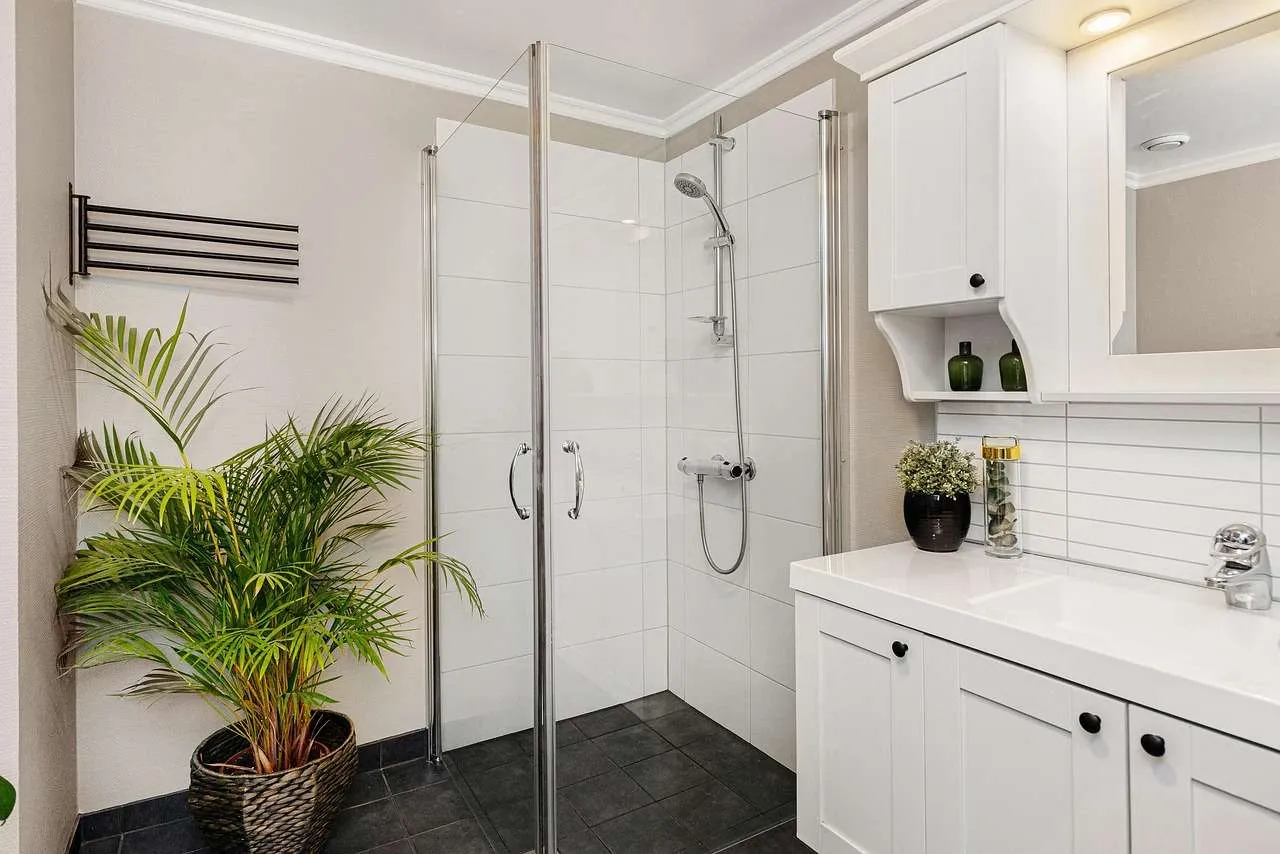
Designing a small bathroom doesn't mean compromising on style or function. With thoughtful layouts, smart storage, and high-quality fixtures, you can create a spa-like feel in a tight space. This guide blends practical tips with timeless design principles to help you maximize every inch without clutter.
Understanding the Space: Measurements and Goals
Start by measuring length, width, and the door swing. Aim for at least 21 inches of clearance in front of the toilet and sink, and allow a minimum 30x36 inches of clear floor space in front of the shower or tub. These targets ensure comfortable use and room to move, even in compact layouts.
Layout and Space-Saving Strategies
For many homes, a single-wall layout offers the cleanest line and the easiest plumbing. If space allows, a corner shower with a glass panel reads as larger than a framed tub surround. Sliding doors or pocket doors eliminate swing space, making entry feel open.
One-Wall Layouts
Place the sink, toilet, and shower along one wall when possible. Keep vertical storage above the toilet and use a shallow vanity to leave floor space open.
Door and Shower Options
Sliding doors save space; consider a curbless shower and glass panels that reflect light and create a continuous line from room to shower.
Storage and Multipurpose Furniture
Maximize vertical density with recessed niches, medicine cabinets with mirrors, and tall slim cabinets beside the sink. A floating vanity creates the illusion of more floor space and makes cleaning easier. Over-the-toilet shelves or cabinets add essential storage without crowding the room.
Fixtures and Finishes
Choose compact fixtures: wall-hung toilets, small pedestal sinks, and corner or corner-mounted basins. For finishes, use light colors and reflective surfaces to enlarge the space. Large-format tiles with minimal grout lines reduce visual busyness and create a seamless look.
Lighting and Color Schemes
Layer lighting to add depth: a bright ceiling light, task lighting around the mirror, and soft ambient glow. A pale color palette with a touch of contrast in accessories makes the room feel larger. Mirrors should be full-height or cabinet-length to maximize reflection.
Materials and Durability
Moisture-resistant materials extend life in damp environments. Opt for ceramic or porcelain tiles, quartz countertops, and epoxy grout to minimize maintenance. Choose finishes that withstand humidity and won’t show water spots easily.
Comparative Guide: Select the Right Features
| Option | Pros | Cons | Best For |
|---|---|---|---|
| Pocket/Sliding Door | Conserves space, clean lines | Higher install cost, wall space needed | Very small footprints |
| Floating Vanity | Feels open, easier cleaning | Limited storage depth | Open floor feel |
| Walk-In Shower with Glass Panel | Seamless look, bright | No tub option | Small bathrooms needing openness |
| Large Mirror or Mirror-Cabinet | Expands perception of space | Requires cleaning; fingerprints show | Better lighting and reflection |
Case in point: In a 5x8 foot bathroom, a 36x60 inch walk-in shower, a 24-inch floating vanity, and a wall-hung toilet create a comfortable path and visually larger space while preserving storage.
Summary: To summarize, prioritize layout efficiency, maximize vertical storage, select compact fixtures, and use light colors and reflective surfaces. With layered lighting and durable materials, small bathroom ideas become practical, stylish, and enduring.