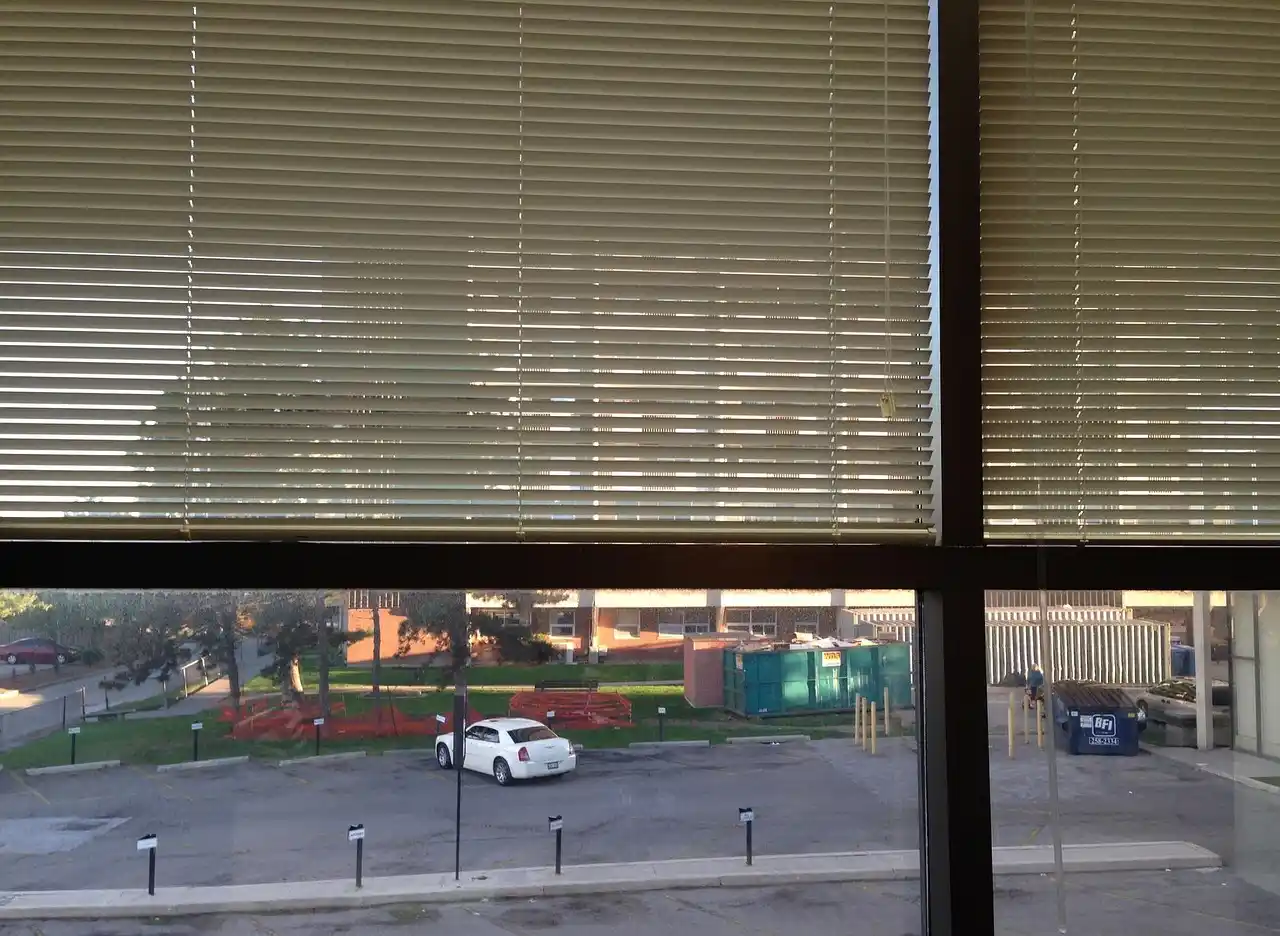
Home window tinting is a popular upgrade for houses seeking comfort, privacy, and energy savings. Modern films block UV rays, reduce heat gain, and protect furnishings while preserving natural light.
What is home window tinting?
Window tinting for homes uses thin, optically clear films applied to interior or exterior glass. Unlike older metal films, modern options are durable, non-reflective, and compatible with most insulated glass units. Professional installation ensures even coverage and edge sealing to prevent peeling.
Benefits of home window tinting
- UV protection to reduce fading of furniture and protect skin from sun exposure
- Energy efficiency by lowering heat gain in summer and keeping warmth in winter
- Enhanced privacy without sacrificing natural light
- Glare reduction for comfortable reading and screen use
- Protection for furnishings and interior fabrics from UV fade
Types of window tint films for homes
Residential window films come in several formulations. Each type offers tradeoffs among cost, clarity, durability, and performance.
| Film Type | UV Rejection | Heat Reduction | Glare Reduction | Best For | Drawbacks |
|---|---|---|---|---|---|
| Dyed | High | Moderate | Moderate | Budget projects, privacy | May fade or discolor over time; not best for long-term energy savings |
| Metalized | Very High | High | Low to Moderate | Privacy and strong tinting | May interfere with electronics; visible tint can be more noticeable |
| Ceramic | Excellent | Excellent | Low | All-around performance, non-reflective | Higher initial cost |
| Carbon | Very High | High | Low | Natural color with minimal reflectivity | Costlier than basic films |
Choosing a professional installer
Look for licensed, insured installers with a strong local reputation. Ask for before-and-after photos, customer references, and a written warranty. Clarify visible light transmission (VLT) and heat-rejection figures, and ensure proper edge sealing and ventilation during installation.
Costs, warranties, and maintenance
Prices vary by film type, window size, and roofline exposure, but typical residential tinting runs per square foot or per window. Compare warranties on both the film and the installation, and check maintenance guidelines. Clean films with non-ammonia cleaners and avoid abrasive scrubbing to preserve life and clarity.
FAQ and considerations
Will tint affect natural light? Most modern films maintain ample daylight while reducing glare. Is tint legal everywhere? Local laws vary; verify compliance with rules for occupancies and safety.
Will tinting windows affect insurance? Some insurers view tinting as a privacy and security measure, but confirm with your provider.
Conclusion
Conclusion, Home window tinting delivers energy savings, UV protection, privacy, and improved comfort when you select the right film and a skilled installer. Consider film type, local regulations, installation quality, and warranties to maximize value and satisfaction.